Post #6 – Open Education Theories
The notion of open education is entirely based on the concepts that knowledge should be free to access, adaptable, and shareable for everyone regardless of their backgrounds, languages or any other factors. Open education links to various core principles which I will be going through in this post.
The 5Rs of Open Education
The 5Rs in open education stands for Retain content, reuse it, revise it, remix it, and redistribute it. All of the steps of 5Rs encourage innovation and collaboration within learners and educators. These are the permissions that are granted by the open licenses such as Creative Commons for learners and educators to freely use, modify and share the educational material to encourage more effective learning.
Constructivist Learning Foundation
According to constructivist learning theory, effective learning takes place via active engagement, interacting with each other in relation to education sources, and adapting to such education materials. Due to the nature of OERs which can be modified and shared by others it encourages active participatory rather than passive. In OERs learners interact with others, engage in active topic discussions and share different types of modified educational resources in the community.
Connectivism and Networked Learning
According to Siemens (2004), in digital spaces effective learning is strongly interconnected with the networks of people, resources, and ideas. Open education supports this notion entirely by allowing users to share content globally, collaborative authorship, and collective knowledge building and all these notions are very critical in online learning contexts.
Why Openness matters today
There are many important benefits given by open education. I used to think very less of open resources but after reading more I realised that it is not only about free educational resources but it’s also about equity and accessibility in learning. Open education removes the cost barrier, making it accessible to everyone which in result improves equity. Another benefit is that it allows teachers to revise their educational resources to apply their own context and identities in order to improve cultural relevance.
Its influence on me
After reading and engaging with open education theories, it completely changed my view. I used to think of them as just a set of tools but open education is more than just that. I now see it as a mindset that encourages students and teachers to think more critically about the accessibility and equity in these resources. Going forward I will always choose open licensed material whenever it’s possible. I will share my own work with OERs when possible to contribute to the community.
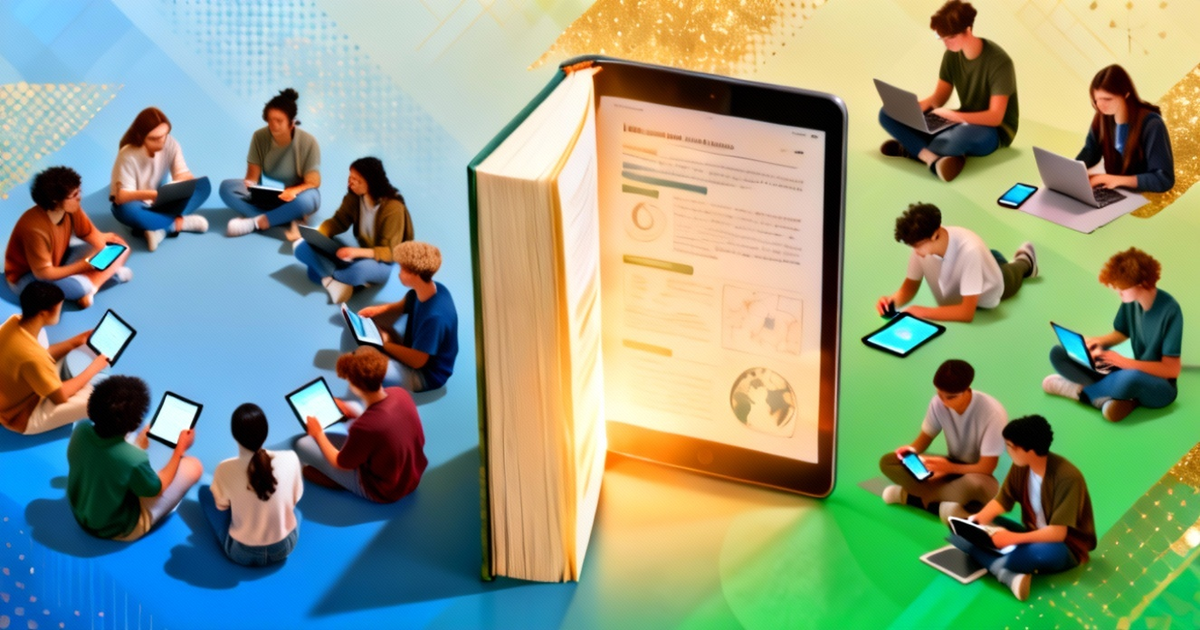
Info – “I used AI tools to generate some of the images in this post, which helped me illustrate ideas more clearly while exploring the topic.”
References
Siemens, G. (2004). Elearnspace. Connectivism: A learning theory for the digital age. Elearnspace. org, 14-16.
Homepage – Creative Commons. (2023, November 16). Creative Commons. https://creativecommons.org/